
That’s Just Wrong!
The Power and Necessity of Speaking Up to Protect Democracy

‘‘Speaking up against injustice, corruption, and unconstitutional acts is essential to protect democracy. Using critical thinking, civil disobedience, and peaceful activism, individuals challenge wrongdoing, demand accountability, and inspire change. Silence enables harm, but voices united in truth and courage create justice.’’
In every society, moments arise when individuals are confronted with actions, policies, or behaviors that are simply wrong. These wrongs may be illegal, corrupt, unconstitutional, or deeply unjust. They challenge our values, erode trust, and, if left unchecked, threaten the very fabric of democracy. It is in these moments that speaking up becomes not only a right but an urgent responsibility. History has shown us time and again that silence enables wrongdoing, while voices raised in collective outrage create change. When we see something unjust, we must shout, “That’s just wrong!” loudly, boldly, and with purpose.
The Value of Critical Thinking
Before we can effectively say, “That’s just wrong,” we must be able to identify what is wrong and why. This is where critical thinking becomes indispensable. Critical thinking allows us to question information, challenge assumptions, and evaluate evidence. It helps us recognize when something doesn’t align with ethical, legal, or constitutional principles. Without this skill, we risk being misled by misinformation, manipulation, or surface-level perceptions.
For instance, when news broke about the Flint, Michigan water crisis, many initially dismissed residents’ complaints. However, those who thought critically began to ask questions: Why is the water discolored? Why are people getting sick? What are officials saying, and does it align with the evidence? By analyzing the situation with a critical eye, residents and advocates were able to pinpoint the wrongdoing and demand accountability.
Critical thinking also empowers us to separate fact from opinion. In an age of social media, where misinformation spreads quickly, being able to evaluate the credibility of sources and claims is essential. If we want to stand up for justice effectively, we must arm ourselves with truth—not speculation.
Thoreau and Civil Disobedience
Henry David Thoreau’s essay Civil Disobedience is a cornerstone of the idea that speaking up against injustice is not just a moral choice but a civic duty. Thoreau argued that individuals should not permit governments to overrule their conscience, and they have a responsibility to resist unjust laws and policies. His refusal to pay taxes to protest slavery and the Mexican-American War is a timeless example of peaceful resistance against systems that perpetuate wrongdoing.
Thoreau’s belief in the power of individual action resonates strongly today. When faced with corruption, discrimination, or unconstitutional acts, citizens must act according to their moral compass. Civil Disobedience reminds us that complacency makes us complicit. As Thoreau wrote, “If the injustice is part of the necessary friction of the machine of government, let it go, let it go: perchance it will wear smooth—certainly the machine will wear out. If it is of such a nature that it requires you to be the agent of injustice to another, then, I say, break the law.” Speaking up, whether through protest, resistance, or peaceful disobedience, is often the only way to spark meaningful change.
Why Speaking Up Matters
Democracy is often described as a government of the people, by the people, for the people. But democracy cannot thrive without active participation. Speaking up is one of the most effective ways citizens can fulfill their role in preserving fairness, justice, and accountability. When individuals remain silent, corrupt systems, unethical practices, and unconstitutional acts take root. Wrongdoing festers in the shadows of inaction, while those in power interpret silence as permission to continue their harmful behavior.
Take whistleblowers as an example. While their actions may seem controversial or even risky, whistleblowers have been responsible for uncovering some of the most significant injustices in modern history. Edward Snowden, for instance, revealed the extent of government surveillance on citizens, sparking a global conversation about privacy and transparency. These revelations forced governments to address overreach and reestablish trust. Whistleblowers like Snowden exemplify the bravery required to shout, “That’s just wrong!” even when the stakes are high.
The Cost of Silence
Silence, however, comes at a cost. When we ignore corruption, injustice, or abuse of power, we allow it to escalate. In societies where citizens fear speaking up, oppressive regimes thrive. Consider how history remembers authoritarian leaders who rose to power under the guise of silence—where opposition was stifled, and citizens were afraid to speak. The result is often a breakdown of human rights, widespread suffering, and the loss of freedom.
Closer to home, silence can normalize wrongdoing on smaller scales. A workplace riddled with discrimination or harassment persists because no one says, “This is unacceptable.” A community plagued by corruption in local government sees those injustices continue when citizens fail to demand accountability. Each time we choose to remain silent, we unknowingly reinforce the idea that wrongdoing is tolerable.
How to Effectively Speak Up
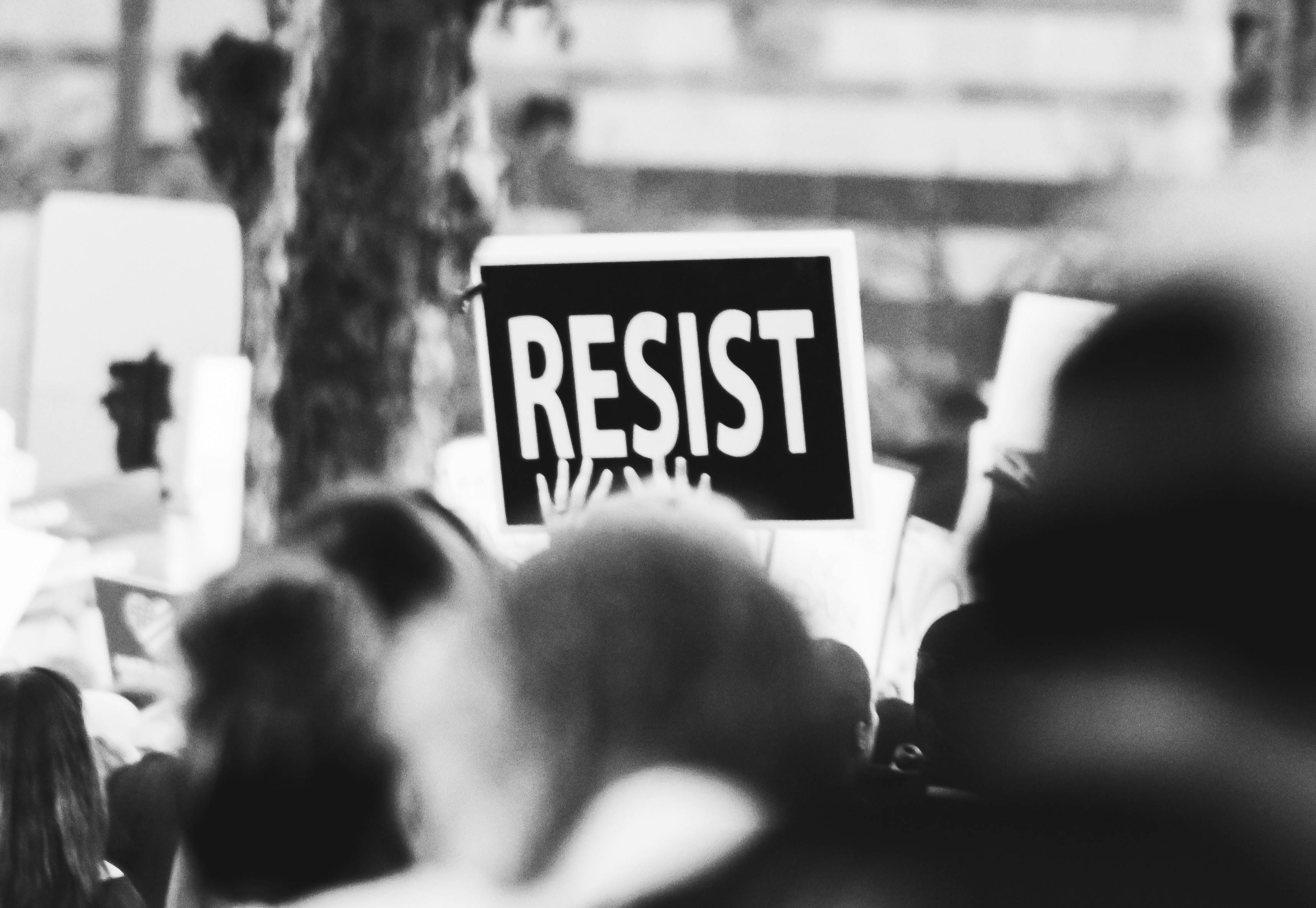
Raising your voice against injustice doesn’t always mean shouting in anger. It means using your voice—your words, your actions, and your influence—strategically and powerfully to bring about change.
Educate Yourself and Others: Knowledge is the foundation of change. If you see something wrong, learn about the issue. Gather facts, understand the consequences, and share this information with others. Truth is a powerful weapon against misinformation and corruption.
Use Your Platforms: Social media, blogs, community meetings, and conversations are all opportunities to speak up. Share your thoughts and experiences. A single post or conversation can inspire others to join the cause.
Lead by Example: Change often begins with one person taking a stand. Rosa Parks refused to give up her seat, sparking the Montgomery Bus Boycott and the civil rights movement. By demonstrating courage and conviction, you inspire others to do the same.
Participate in Peaceful Activism: Protests, petitions, and campaigns are effective tools to challenge injustice. Peaceful demonstrations have a long history of forcing governments and institutions to listen. Greta Thunberg’s climate strikes began with one person’s voice but grew into a global movement demanding action against climate change.
Hold Leaders Accountable: Whether through voting, attending town halls, or contacting representatives, citizens have the power to demand better leadership. Write letters, make calls, and hold decision-makers responsible for their actions.
Support Whistleblowers and Truth-Tellers: Speaking up can be isolating. Those who challenge the status quo often face backlash. Stand in solidarity with those who expose corruption and wrongdoing—their bravery protects us all.
Real-World Examples of “That’s Just Wrong!” Moments
As mentioned above, Flint, Michigan, residents shouted, “That’s just wrong!” when their water supply was contaminated with lead. Citizens exposed the negligence of officials who failed to protect public health. Their persistence led to investigations, national outrage, and, ultimately, accountability.
More recently, youth-led movements like March for Our Lives have emerged in response to gun violence. These young activists spoke up after witnessing repeated tragedies, refusing to accept the status quo. Their voices are reshaping the national conversation on safety and policy.
The Courage to Act
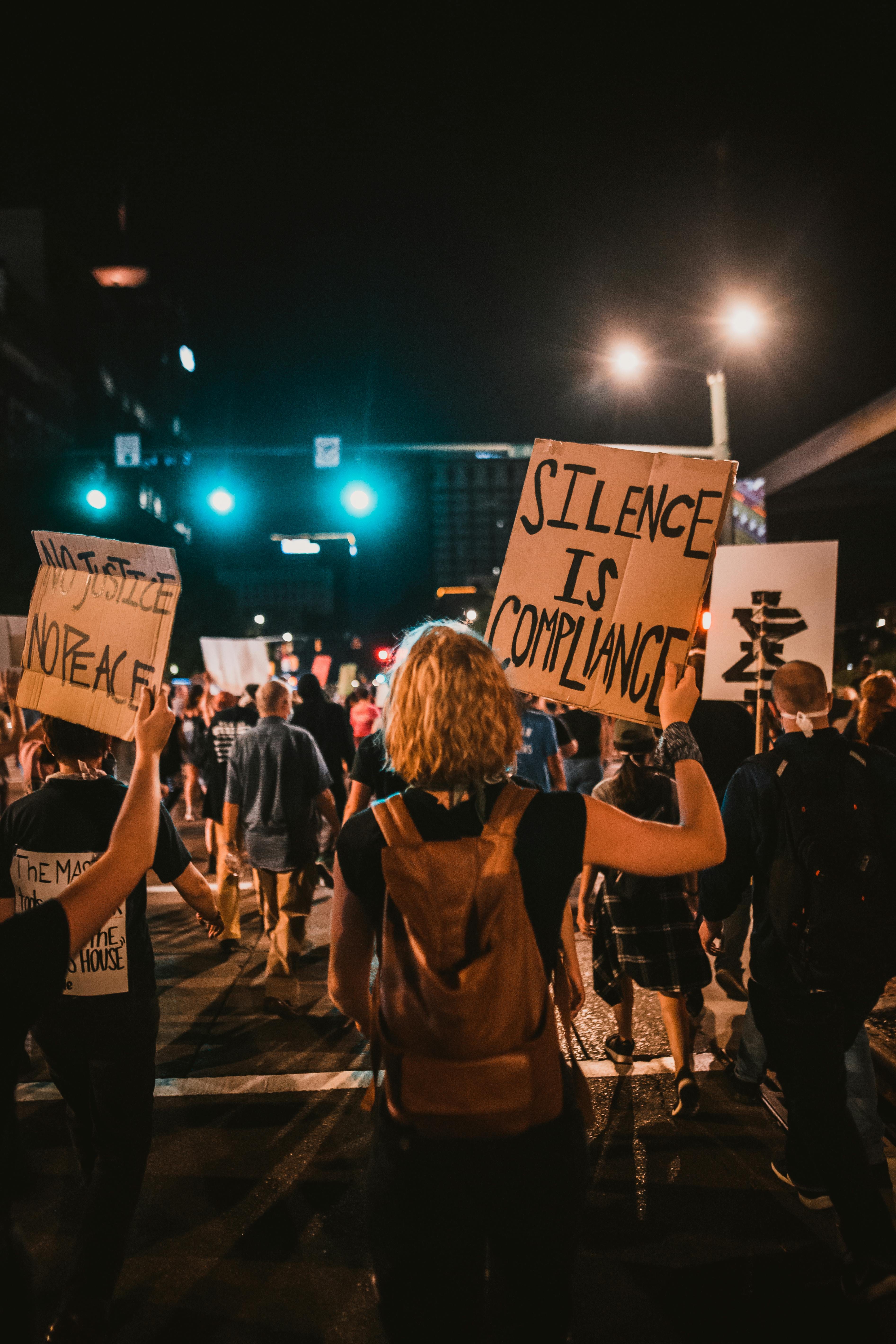
Speaking up is not always easy. It requires courage, resilience, critical thinking, and the willingness to face discomfort. But silence is never the answer. Democracy depends on citizens who are unafraid to point to injustice and say, “That’s just wrong.” Whether the issue is large or small, local or global, every voice matters.
When we choose to speak up, we refuse to let wrongdoing become the norm. We demand better—for ourselves, for future generations, and for the integrity of our democracy. So the next time you see something that challenges your sense of justice, don’t hesitate. Speak up. Shout it, write it, and share it: “That’s just wrong!” because your voice has the power to create a better, more just world.
Further reading:
“Civil Disobedience” by Henry David Thoreau
‘‘The Power of Critical Thinking in an Information-Saturated World’’ by Michael Corthell
Thank you for sharing, Michael!
If I might offer another further reading choice? One day when I was a kid I stumbled on the book/essay Politics Of Obedience, by Étienne De La Boétie, in some punk rock Anarchist bookstore in the bad part of town. Best $3.75 I ever spent and can't recommend that book/short essay enough to anyone who has ever questioned authority or has seen/felt injustice.