
Stronger Together
How Diversity and Inclusion Shape a Just Society

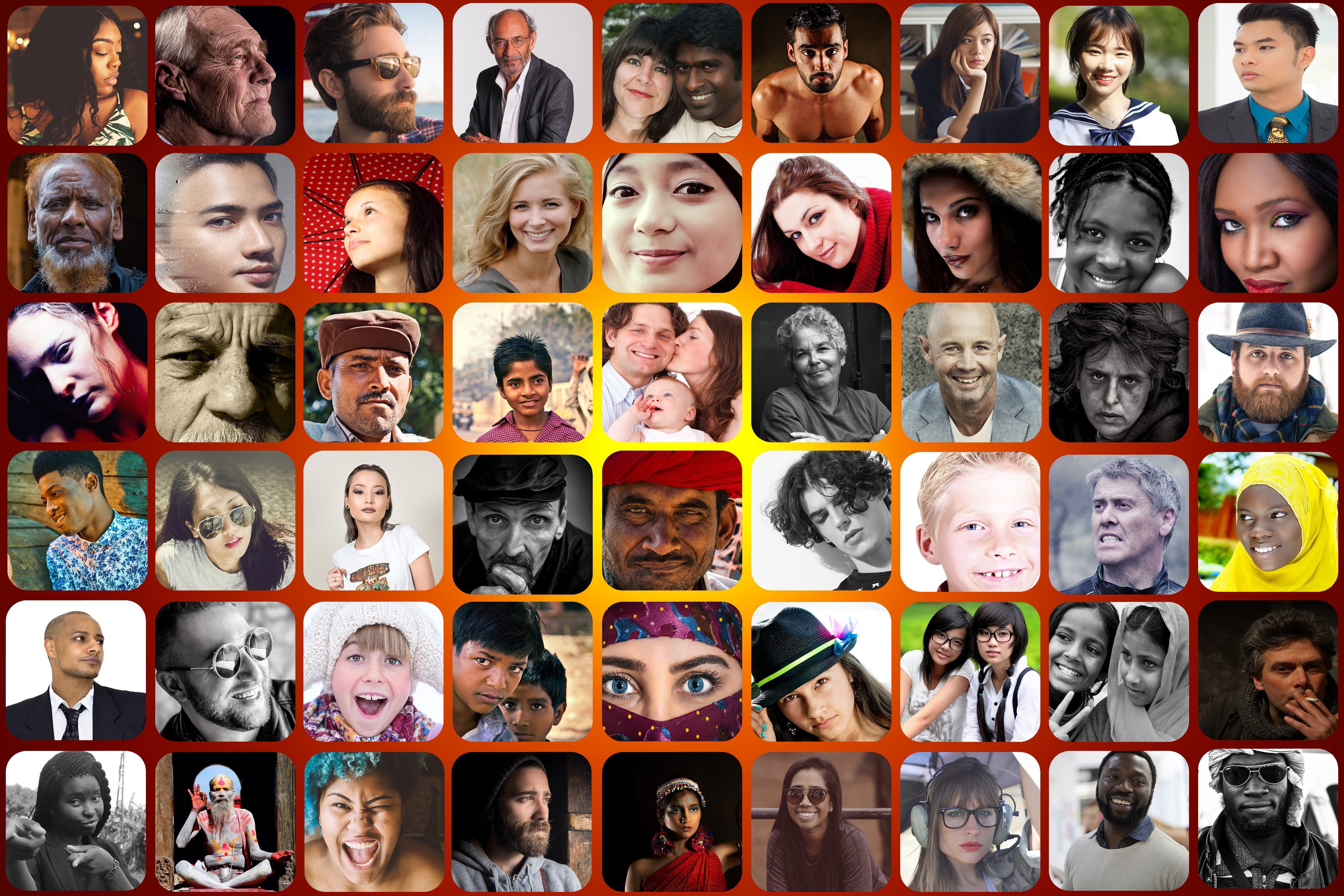
Throughout history, societies have thrived or crumbled based on their ability to uphold the values of kindness, respect, and unity. These principles serve as the foundation of human rights, ensuring that every individual, regardless of their background, is treated with dignity and fairness. In an increasingly interconnected world, embracing inclusivity and shared humanity is not just an ideal but a necessity.
‘‘Kindness, respect, and unity are the pillars of a just society. When we embrace diversity, break down barriers, and uplift one another, we create a world where everyone belongs. True progress begins with empathy, action, and a commitment to equality for all.’’
By fostering a culture that values diversity and equality, we create stronger, more resilient communities that can overcome challenges and work toward a better future. This essay explores how diversity strengthens societies, the importance of breaking down systemic barriers, the role of respect and love in community-building, and the practical steps we can take to create a world where everyone truly belongs.
The Power of Diversity and Inclusion
Diversity is not just a buzzword—it is the key to innovation, progress, and social harmony. A truly inclusive society recognizes that people of different races, cultures, religions, genders, and abilities bring unique perspectives and strengths to the table. When diversity is embraced, communities benefit from a wealth of ideas, experiences, and solutions that drive progress.
Historically, societies that have been open to different cultures and perspectives have flourished. The Renaissance, for example, was fueled by the exchange of ideas between different cultures, sparking advancements in science, art, and philosophy. Today, multicultural cities like New York, London, and Toronto thrive because of the diverse contributions of their residents. In contrast, societies that resist inclusivity often face stagnation, division, and conflict.
Despite the clear benefits, discrimination and exclusion continue to exist. Marginalized groups often struggle for equal access to education, healthcare, and economic opportunities. Systemic bias can lead to the suppression of voices that could otherwise contribute to society in meaningful ways. To build a world that truly values diversity, we must actively dismantle these barriers and ensure that inclusion is not just a principle but a lived reality.
Breaking Barriers: The Path to True Equality
The road to equality is paved with challenges, but it is a journey that must be undertaken for the betterment of humanity. Discrimination and prejudice are often rooted in fear, misinformation, and historical inequalities. These barriers can manifest in various forms, including racial injustice, gender inequality, economic disparities, and discrimination against people with disabilities or different sexual orientations.
Education plays a crucial role in breaking down these barriers. When people are exposed to different cultures, perspectives, and lived experiences, they develop empathy and understanding. Schools and institutions must promote curricula that emphasize human rights, social justice, and the contributions of diverse communities. Representation in media, politics, and leadership positions also plays a key role in challenging stereotypes and fostering a more inclusive mindset.
Legal frameworks are another essential component of ensuring true equality. Laws that protect against discrimination, promote workplace diversity, and ensure equal pay and opportunities for all are crucial steps toward justice. However, legal action alone is not enough. Societal attitudes must shift to reflect these values, requiring ongoing efforts from individuals, organizations, and governments.
Love and Respect as the Foundation of Strong Communities
A truly inclusive society is built on more than laws and policies—it is shaped by the everyday actions of individuals. Love and respect are the glue that holds communities together, fostering trust, cooperation, and a sense of belonging. Without these values, divisions deepen, and conflicts arise.
When people treat each other with kindness and respect, they create environments where individuals feel safe and valued. This, in turn, leads to stronger relationships, better mental health, and increased social cohesion. Acts of kindness, no matter how small, have a ripple effect, inspiring others to follow suit and creating a culture of goodwill.
Conflict is inevitable in any society, but it is how we handle disagreements that determines our collective strength. Approaching conflicts with empathy and a willingness to listen can lead to constructive solutions rather than division. In contrast, when communities are ruled by intolerance and exclusion, they become fractured and prone to unrest.
Examples of successful community-building through kindness and respect can be found worldwide. From grassroots movements that provide support to marginalized communities to national initiatives that promote reconciliation and healing, these efforts demonstrate that inclusivity is not just an abstract goal but a tangible reality that can be achieved through collective action.
Creating a Space Where Everyone Belongs
Inclusivity is not just about acknowledging diversity; it is about actively creating spaces where everyone feels they belong. Workplaces, schools, public spaces, and online communities all have a role to play in fostering environments where people are treated with dignity and respect.
Workplaces that prioritize diversity and inclusion report higher levels of employee satisfaction, innovation, and productivity. Companies that implement policies to prevent discrimination and create equal opportunities benefit from a more motivated workforce and a better reputation in society. Schools that celebrate different cultures and identities create well-rounded students who grow into compassionate and informed citizens.
Public spaces must also reflect inclusivity. This includes ensuring accessibility for individuals with disabilities, providing safe spaces for marginalized groups, and fostering an environment where all people can express themselves without fear of discrimination. Governments and institutions must work to create policies that uphold these standards, ensuring that inclusivity is more than just an ideal—it is a societal norm.
Individuals also have a responsibility to contribute to inclusivity. This can be as simple as standing up against discrimination, amplifying the voices of marginalized communities, and fostering open conversations about human rights. By taking small but meaningful actions, individuals can contribute to a larger movement that promotes equality and justice for all.
Conclusion
A world built on kindness, respect, and unity is not just a dream—it is an achievable reality if individuals, communities, and institutions commit to fostering inclusivity. Embracing diversity strengthens societies, breaking down systemic barriers paves the way for true equality, and prioritizing love and respect creates strong, cohesive communities. However, achieving this vision requires ongoing effort, education, and a willingness to challenge injustice wherever it appears.
By committing to treating others with dignity, standing up for equality, and fostering environments where all individuals feel valued, we take meaningful steps toward a world where everyone truly belongs. The journey toward inclusivity is not always easy, but it is one worth taking—for the betterment of humanity, for future generations, and for the shared hope of a world where kindness, respect, and unity are the guiding principles of our collective existence.
Further Reading
For those interested in exploring these themes further, The Persuaders: At the Front Lines of the Fight for Hearts, Minds, and Democracy by Anand Giridharadas (2022) provides an insightful look into how bridging divides and fostering dialogue can create meaningful change in society.