
Space Exploration: The Ethics and Economics of Colonizing Mars

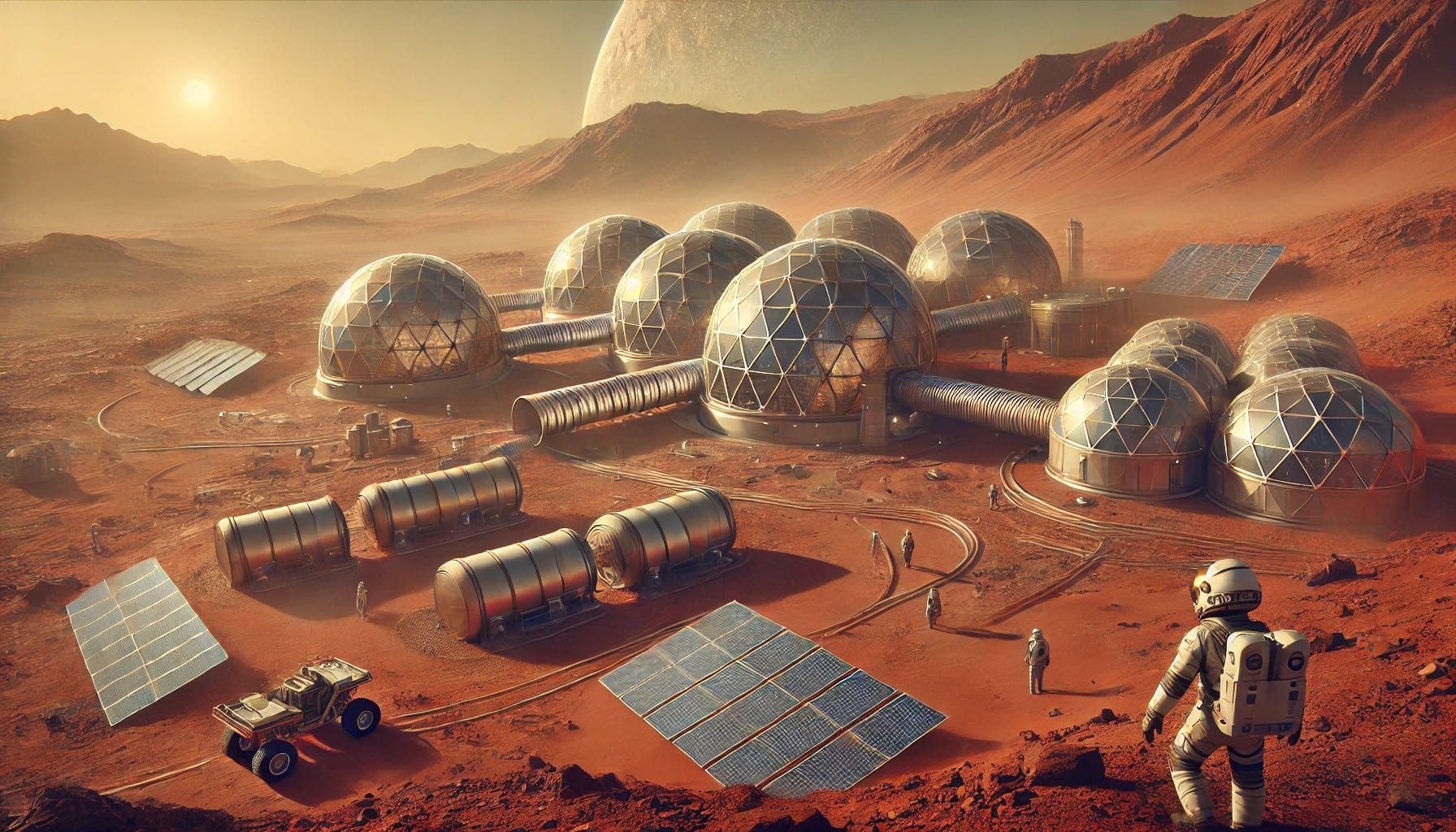
‘‘Dreams of Mars colonies are captivating, but they distract from urgent crises on Earth. Before expanding to other planets, humanity must prove it can care for its own. Let’s focus on preserving our home rather than repeating our mistakes on another world.’’
Humanity's fascination with space exploration has reached a pivotal moment. With companies like SpaceX and national agencies like NASA making strides toward colonizing Mars, the idea of establishing human settlements on another planet is no longer the stuff of science fiction. However, this ambitious pursuit raises profound ethical and economic questions. Should we prioritize colonizing Mars when humanity has yet to address pressing issues on Earth? This essay argues that colonizing Mars is unnecessary and unethical, given our failure to care for our planet and the potential exploitation such endeavors entail.
Neglect of Earth’s Issues
Humanity’s track record of environmental degradation underscores our inability to steward our own planet responsibly. Deforestation, climate change, and widespread pollution are symptoms of systemic neglect. Investing billions to terraform and colonize Mars, while these issues remain unresolved, reflects a misguided prioritization. Instead, those resources could be directed toward sustainable development, renewable energy, and global cooperation to mitigate Earth’s environmental crisis.
Exploitation and Inequity
The history of colonization on Earth is riddled with exploitation, inequality, and marginalization of vulnerable populations. Colonizing Mars risks perpetuating this pattern, creating a new frontier for economic disparity. Access to Mars will likely be limited to the wealthy elite or powerful corporations, exacerbating existing inequalities. Furthermore, the narrative of escaping Earth’s problems by moving to Mars fosters an irresponsible attitude toward our planet, undermining the moral imperative to protect it.
Ethics of Terraforming
Terraforming Mars involves altering its natural environment to make it habitable for humans. While Mars appears lifeless, altering its landscape raises ethical questions about the right to transform another planet for human purposes. If we cannot coexist sustainably with Earth’s ecosystems, what ethical grounds do we have to interfere with extraterrestrial environments?
Opportunity Costs
Mars colonization projects require staggering investments, estimated in the trillions of dollars. These funds could instead address urgent challenges such as global poverty, healthcare, education, and combating climate change. The opportunity cost of focusing on Mars diverts resources from improving life on Earth for billions of people.
Unsustainable Return on Investment
The economic justification for colonizing Mars often hinges on speculative gains, such as mining resources or creating new markets. However, the cost of transporting materials and maintaining human settlements in an inhospitable environment would likely outweigh any economic benefits for decades, if not centuries. This speculative pursuit risks becoming a financial sinkhole, benefiting only a select few.
Redirecting Technological Innovations
While space exploration drives technological advancements, these innovations can be achieved without colonizing Mars. Focusing on Earth-centric applications, such as renewable energy technologies, could yield immediate benefits for humanity and the planet. Redirecting scientific resources toward solving terrestrial problems would be a more prudent and equitable use of human ingenuity.
Escapism and Complacency
The allure of Mars colonization can foster escapism, encouraging humanity to view space as a backup plan rather than addressing Earth’s systemic problems. This mindset undermines the urgency of confronting climate change and other crises, fostering complacency instead of responsibility.
Loss of Collective Focus
Global cooperation is essential to solve Earth’s most pressing challenges. Diverting attention and resources to Mars risks fragmenting this collective focus. A unified effort to address climate change, biodiversity loss, and social inequities would yield far greater benefits for humanity than dividing efforts between planets.
Prioritize Earth’s Sustainability
Before considering extraterrestrial colonization, humanity must demonstrate the ability to care for its home planet. This includes achieving net-zero emissions, preserving biodiversity, and fostering global equity.
Ethical Frameworks for Exploration
Space exploration should be guided by ethical principles that prioritize planetary stewardship and equitable access to resources. Establishing international agreements to regulate space activities can prevent the exploitation and inequality that marred Earth’s colonial history.
Focus on Space for Science, Not Colonization
Exploring Mars for scientific purposes—to learn about planetary formation and search for signs of past life—is a noble endeavor. However, colonization shifts the focus from scientific discovery to human expansion, perpetuating an anthropocentric mindset that devalues other forms of existence.
Conclusion
Colonizing Mars may captivate the human imagination, but it is neither necessary nor ethical at this juncture. Humanity’s responsibility lies in addressing the crises on Earth before pursuing otherworldly ambitions. Redirecting the immense resources and ingenuity aimed at Mars colonization toward solving terrestrial challenges can create a sustainable and equitable future. Only when we learn to care for our planet can we responsibly consider expanding our presence to others.
Further Reading