
Resisting Hate in a Divided World
Commentary

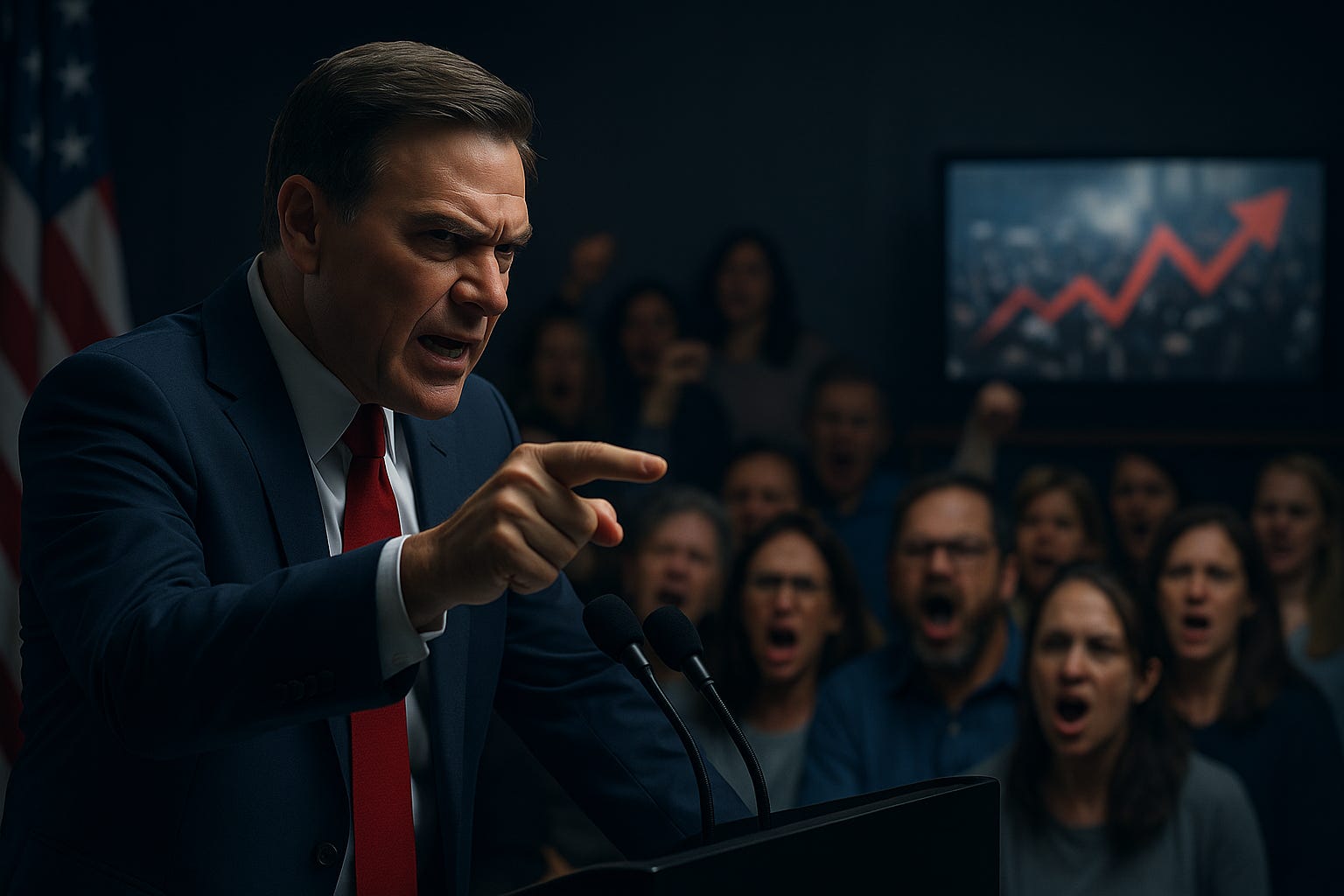
"Politicians stir hate to gain power. Media sells it. Algorithms feed it."
Hate is not a dusty relic in history books. It’s not some distant monster confined to far-off lands or forgotten times. I’ve felt its icy breath. I’ve seen it slip in through cracks in conversation, twist through politics, and poison even the most intimate spaces. It lives in the casual remark that cuts, the averted eyes on the street, the whispered “They’re different,” as if difference is reason enough for cruelty.
This is not just a headline. It’s the grocery store. The dinner table. And if I’m honest, I’ve felt its flicker inside me too.
Where Hate Begins
Hate is old. Its roots may lie in ancient instincts to protect the tribe. But in our modern world, hate is mostly learned. It’s inherited, passed down like a bitter family heirloom. It shows up in coded language, in jokes that punch down, in stories we’re taught about “the other.” Fear feeds it. Fear of change, of loss, of unfamiliar faces. Once it takes root, hate thrives, because it offers something deceptively simple: someone to blame.
I’ve seen people cling to hate because facing the truth feels too messy. Too overwhelming. It’s easier to point the finger than to sit with our own discomfort. But here’s the truth: the monster we create is usually just another human being, struggling through life like we are.
How Hate Grows
Hate is not spontaneous. It is grown—deliberately, strategically. Politicians stir it to rally votes. Media companies monetize it. Social media algorithms amplify it. Fear becomes the product, outrage the currency. We're told immigrants are criminals, protestors are anarchists, and our neighbors are our enemies. These stories are not accidents. They are tools of control.
I’ve watched people I care about, good and decent people, fall into this trap. I’ve heard them repeat lines they never would have said before, words soaked in fear. It hurts. Because I know they’re still in there, beneath the noise, the fear, the scripts they didn’t write. They just need a way out.

Hate’s Modern Grip
Right now, hate is loud. It shouts from comment sections, spreads through memes, seeps into algorithms designed to stir emotion. It teaches us to dismiss, mock, and vilify anyone who sees the world differently. Social media distorts truth into performance. Anger becomes addictive. Compassion feels slow in comparison.
Hate spreads fast. I’ve seen it fracture families and dismantle friendships. I’ve seen it polarize towns and choke public discourse. Fighting it feels exhausting, like swimming upstream. But here’s what I’ve learned: if we don’t resist it, it wins by default.
The Cost of Hate
Hate doesn’t just harm its target. It damages everyone it touches. It hardens our hearts, erodes trust, and narrows our view of the world. It turns kindness into naivety and makes cruelty seem normal. When hate is allowed to take root, it does more than divide us. It dehumanizes us.
I’ve seen the aftermath. I’ve watched how it devastates communities, leaves survivors numb, and reduces our capacity to connect. Hate makes us smaller than we were meant to be. It strips us of our empathy, our curiosity, our shared humanity.
Choosing Another Way
But hate is not unstoppable. History tells us this. People have risen against it before. Germany chose remembrance. South Africa chose reconciliation. The Civil Rights Movement chose love and nonviolence over retaliation. Progress was not born of perfection. It was born of people who chose, again and again, not to surrender to hate.
That’s our task now. Push back. Not with grand performances, but with small, steady acts of courage. With the decision not to forward that toxic meme. With the effort to listen instead of react. With the choice to offer empathy when anger feels easier.
It will be hard. It always is. But it matters. Every moment we refuse hate is a moment reclaimed for humanity.
I will not give hate the last word.
Will you?
Further Reading
Hate Won't Win: Find Your Power and Leave This Place Better Than You Found It
by Mallory McMorrow
I hate to say it, but your essays remain first rate. A much needed discussion on the importance for human beings to avoid falling victim to the trap hate sets for us, for hate is the poison we drink with the desire to harm another. A game of folly best not played.