
How Trump’s True Purpose Was Making America Greater and Better
Not by leadership, but by revelation

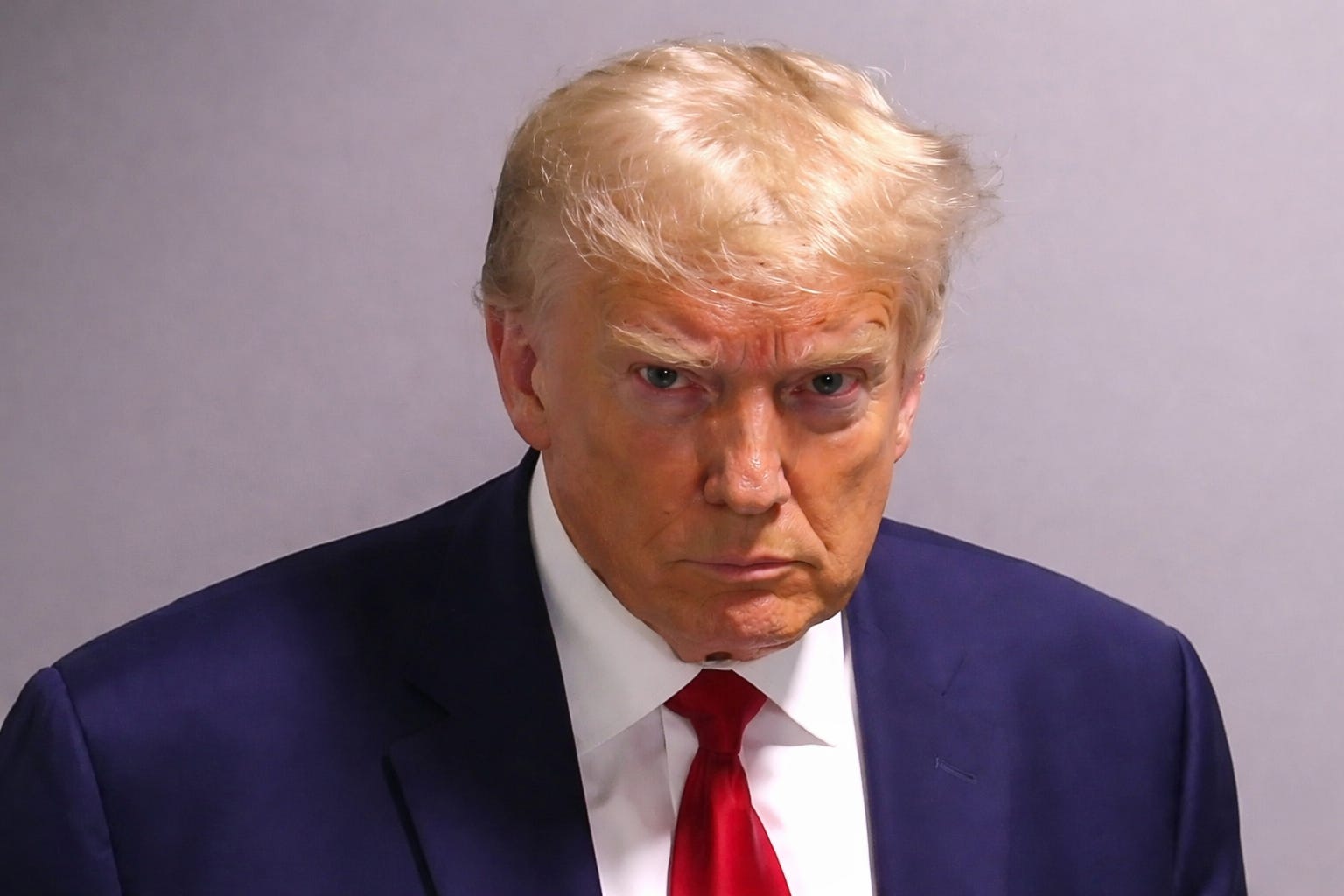
“Trump did not make America better by leading it well. He made it better by forcing the nation to see what it had long refused to confront about itself.”
January 22, 2029 - Donald Trump may ultimately be remembered less for what he built than for what he exposed. Not through foresight or moral clarity, but through rupture. His presidency functioned as a stress test on American democracy, one that revealed how much of what citizens believed to be solid was held together by habit, restraint, and good faith rather than law or principle. In that sense, his true historical role may be ironic but consequential. He did not make America better by governing it well. He made it better by forcing the country to see itself without filters.
Trump’s rise stripped away the comforting illusion that democratic norms enforce themselves. Long before his election, Americans were told that institutions were strong, that traditions would hold, that the system could correct for bad actors. Trump demonstrated that none of this was true. Norms only matter when leaders choose to honor them. Guardrails only function when those in power respect their purpose. Once confronted with a president willing to ignore precedent, defy oversight, and reward loyalty over law, the nation learned how fragile its assumptions had been.
His presidency also revealed how deep the appetite for authoritarianism runs in American life. Trump did not invent the desire for strongman politics, grievance nationalism, or rule by personality. He gave it permission to speak openly. What had once been coded language became explicit. What had once been denied became defended. The country was forced to confront how many citizens equate cruelty with strength, dominance with leadership, and obedience with patriotism. That recognition, painful as it is, removed the last plausible deniability about the state of American political culture.
Institutions, too, were morally sorted in the process. Media outlets, corporations, courts, churches, and political parties revealed where their loyalties truly lay when pressured. Some resisted. Many accommodated. Others aligned themselves openly with power. Trump did not hollow out every institution he touched. He exposed which ones were already empty. Neutrality proved to be a posture, not a principle. Silence functioned as consent. The myth of institutional independence gave way to the reality of institutional self-interest.
Economically, Trumpism stripped the mask from decades of upward redistribution. The rhetoric of populism collapsed under the weight of policies that favored billionaires, deregulation, and corporate consolidation. What had previously been framed as market inevitability or technocratic necessity became openly transactional. Power no longer pretended to be benevolent. It declared itself entitled. In doing so, it clarified the true shape of American economic hierarchy, making it visible in a way that polite neoliberal language never allowed.
Yet exposure does not only produce decay. It also produces resistance. Faced with an unmistakable threat to democratic norms, many Americans rediscovered civic responsibility. Organizers mobilized. Voters reengaged. Local officials, educators, journalists, and ordinary citizens stepped into roles they had long assumed were someone else’s job. Engagement did not rise because hope was promised, but because danger was undeniable. Trump, unintentionally, reminded Americans that democracy is not inherited. It is practiced.
Perhaps the most consequential effect of this period is the end of national denial. Racism, misogyny, theocratic ambition, and authoritarian impulse can no longer hide behind euphemism or respectability. They are defended openly in public life. That clarity imposes moral accountability. A nation that can no longer claim ignorance must choose what it will tolerate and what it will confront.
In this sense, Trump’s historical role resembles that of other disruptive figures who accelerated crises already underway. He is not the author of America’s fractures. He is the catalyst that made them impossible to ignore. If the country becomes stronger, more just, or more democratic in the years ahead, it will not be because of his intentions, but because of the reckoning he forced.
Revelation alone, however, is not redemption. Seeing clearly is only the first step. What makes America greater and better is what follows exposure. Repair. Reform. Recommitment. Trump may have shattered illusions, but the work of restoration belongs to those who refuse to rebuild the same fragile myths.
I know some may not want to commit to a paid subscription, but if you’d like to support my work, you can always buy me a coffee on Ko-fi. Your contribution helps sustain independent writing rooted in consciousness, compassion, and social renewal. Every bit of support truly makes a difference.
I've been thinking this (heavily) for the past year but not as clearly and articulated.
Who is "we"? I am afraid they are too few "we".