
Disaster!
The Resiliency of the Human Spirit

Disasters have a way of defining the human experience. They remind us of our vulnerability but also illuminate the extraordinary strength and compassion we are capable of. Whether it's the relentless fury of nature or the unintended consequences of human error, these crises test our resilience, adaptability, and collective humanity. The recent devastating wildfires in California and the historical Three Mile Island nuclear disaster are stark examples of such challenges. Yet, they also underscore how the human spirit triumphs, finding hope and innovation in the face of overwhelming adversity.
California Wildfires: A Testament to Community Strength
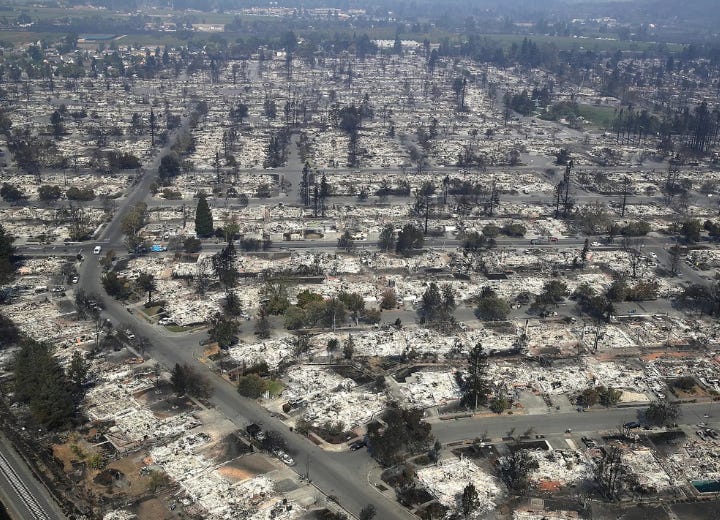
In January 2025, California faced one of its most destructive wildfire seasons in recent memory. Fueled by extreme drought and fierce winds, the infernos swept across vast swaths of land, killing dozens of people, destroying homes, displacing thousands, and leaving communities in ashes. Images of orange skies and exhausted firefighters captured the world's attention, but the true story lay in the quiet acts of heroism and solidarity.
Amid the chaos, neighbors opened their doors to strangers, creating makeshift shelters. Local businesses transformed their spaces into hubs for relief efforts, providing food, clothing, and essential supplies. Volunteers worked tirelessly to rescue animals trapped in the blaze, demonstrating that compassion extends beyond human boundaries. Even in the face of personal loss, Californians showcased their indomitable spirit, proving that resilience is built not just on individual strength but on the collective power of community.
Governments and nonprofits also rose to the challenge. Emergency services coordinated massive evacuation efforts, ensuring lives were saved despite the overwhelming scale of the disaster. Climate scientists and policymakers used this as a rallying cry to advocate for more sustainable practices and wildfire prevention strategies, emphasizing that preparation and innovation are essential to mitigating future crises.
The Role of Politics in Disaster Response
While disasters reveal the best of human compassion and resilience, they also expose the ways in which politics can hinder relief efforts. During the recent California wildfires, political tensions added unnecessary challenges to an already dire situation. President-elect Trump spread false information about the causes of the wildfires and engaged in name-calling against California Governor Gavin Newsom, further polarizing the public during a critical time for unity. Instead of focusing on fostering collaboration and addressing the immediate needs of affected communities, political leaders allowed partisanship to overshadow the urgency of disaster relief.
Similarly, during the Three Mile Island nuclear disaster in 1979, political maneuvering delayed effective communication and response efforts. Local and federal authorities were slow to provide clear and accurate information to the public, leading to confusion and mistrust. Political pressures also influenced the framing of the disaster, with efforts to downplay its severity to protect the nuclear industry. These missteps underscored the need for transparent and coordinated leadership during crises, as political agendas can exacerbate the challenges faced by affected communities.
The Three Mile Island Nuclear Disaster: A Catalyst for Change
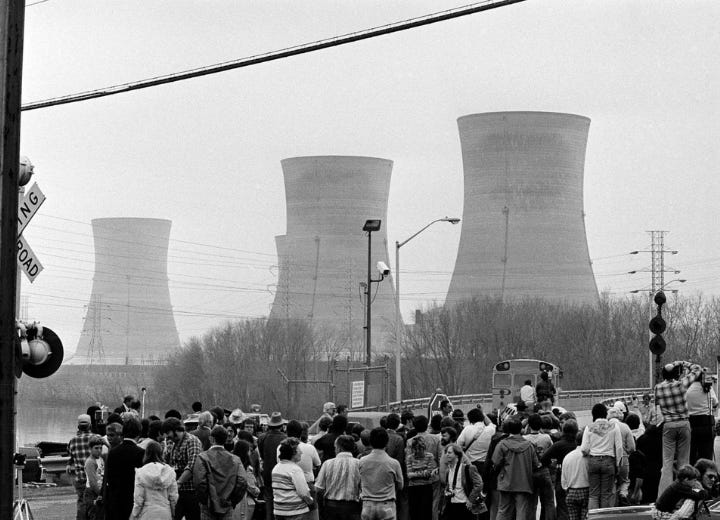
The 1979 Three Mile Island nuclear disaster in Pennsylvania was a different kind of catastrophe—one born of human error and technological failure. When a partial meltdown occurred at the nuclear plant, fear and uncertainty gripped the nation. The incident exposed flaws in safety protocols and communication, shaking public confidence in nuclear energy. But even in this dark moment, the seeds of resilience and progress were sown.
The immediate aftermath was marked by confusion and panic. Residents within a 10-mile radius were evacuated, while others faced uncertainty about the long-term health implications of radiation exposure. However, this crisis galvanized action. It led to sweeping reforms in the nuclear industry, including stricter safety standards, enhanced operator training, and more robust emergency response protocols. The disaster became a wake-up call, prompting a global reevaluation of energy policies and underscoring the need for transparency and accountability in managing complex technologies.
Beyond the technical advancements, the Three Mile Island incident showcased the human ability to learn and adapt. Communities affected by the disaster found ways to rebuild and move forward, drawing strength from their shared experiences. It also inspired a generation of activists and scientists committed to ensuring that such an event would never happen again, illustrating how adversity can drive meaningful change.
The Resilience of the Human Spirit
What unites these two seemingly disparate disasters is the unyielding resilience of the human spirit. In both cases, individuals and communities faced immense challenges but emerged stronger, armed with lessons learned and a renewed sense of purpose. Disasters often strip away the superficial, revealing the core of human nature: a deep capacity for empathy, innovation, and perseverance.
Empathy in Action
Disasters often bring out the best in people, as seen in the altruistic responses to the California wildfires. Strangers became family, united by a shared goal of survival and recovery. Similarly, during the Three Mile Island crisis, ordinary citizens became advocates for safety and accountability, driven by a desire to protect their communities and future generations. This sense of interconnectedness is a powerful force, reminding us that we are stronger together.
Innovation and Adaptability
Adversity drives innovation. In California, advancements in firefighting technology, such as drones for aerial surveillance and AI-driven predictive models, are being deployed to combat wildfires more effectively. The Three Mile Island disaster spurred critical developments in nuclear safety and energy policy. These innovations not only address immediate challenges but also lay the groundwork for a more sustainable and secure future.
Perseverance Amid Uncertainty
Both disasters also highlight the importance of perseverance. Rebuilding after a wildfire or regaining trust in nuclear energy is not a quick or easy process. It requires determination, patience, and a long-term vision. Survivors of these crises often embody this perseverance, turning their experiences into opportunities to educate and inspire others.
Lessons for the Future
While disasters are inevitable, their impact can be mitigated through preparedness, education, and collaboration. The California wildfires serve as a stark reminder of the urgent need to address climate change and invest in sustainable land management. The Three Mile Island incident underscores the importance of vigilance and accountability in managing complex systems. Both examples illustrate that the cost of inaction far outweighs the investment in prevention and resilience.
Governments, organizations, and individuals all have roles to play. Policymakers must prioritize sustainable practices and disaster preparedness, while communities can foster a culture of mutual support and resilience. On an individual level, cultivating empathy and a proactive mindset can make a significant difference in times of crisis.
A Beacon of Hope
In the face of disasters, it is easy to feel overwhelmed by the magnitude of loss and destruction. But history shows that humanity has an incredible capacity to overcome adversity. Whether rebuilding homes after a wildfire or reforming an entire industry after a nuclear disaster, the human spirit has proven time and again that it can rise above even the greatest challenges.
As we reflect on the California wildfires and the Three Mile Island disaster, let us draw inspiration from the resilience and compassion that emerged in their wake. These stories remind us that while disasters may test our limits, they also reveal our boundless potential to learn, adapt, and thrive. Together, we can build a future that not only withstands adversity but emerges stronger because of it.
Further Reading
Field Notes from a Catastrophe: Man, Nature, and Climate Change by Elizabeth Kolbert
Great perspective. What I see just looking at the picture are green trees and gray fields.